Can an AI Chatbot Be Your Therapist? What to Know in 2026
How people are using AI chatbots for emotional support, what they can and can’t do, the state laws now limiting AI therapy in the US, and how to use them more safely.
A simple 10-minute weekly check-in covering sleep, mood, energy, connection and stress, plus what to do with what you notice.
 By Mara Ellison··3 min read
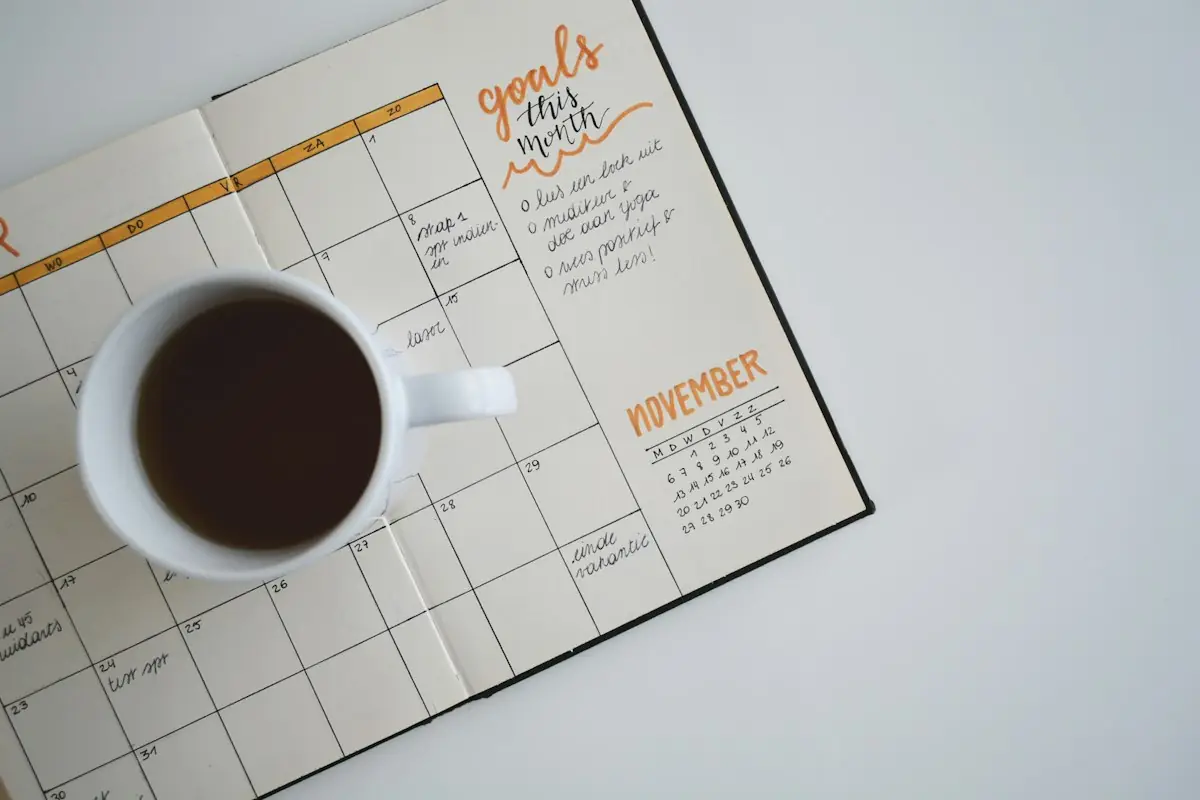
Photo: Estee Janssens on Unsplash
We check our bank balance and the weather. Checking in on our mental health is rarer, but just as practical.
Rate each from 1 (poor) to 5 (great):
| Area | Question |
|---|---|
| Sleep | Did I get enough rest most nights? |
| Mood | How was my overall mood? |
| Energy | Did I have energy for what mattered? |
| Connection | Did I feel connected to people? |
| Stress | How manageable did stress feel? |
Then ask:
Make a list of your personal signs that things are slipping: skipping meals, withdrawing, sleeping late, more irritability. When two or three show up, that’s your cue to add support.
Our mood tracker lets you log daily mood and notes on your device. Patterns become clearer after a few weeks.

This article is for education, not therapy or medical advice. Read our disclaimer. In crisis? Call or text 988.

How people are using AI chatbots for emotional support, what they can and can’t do, the state laws now limiting AI therapy in the US, and how to use them more safely.

Why loneliness matters for health, the difference between being alone and feeling lonely, and practical steps to build connection as an adult.

What to say and not say, how to listen well, how to ask about suicide directly, and how to look after yourself while helping.

A short, warm email every week: a word therapists use, what it means for your life, and something gentle to try. No spam, no pressure.
We use analytics cookies to understand how visitors use our site. Functional cookies (session and page variant) are always set. See our Privacy Policy.