Signs of Depression: More Than Feeling Sad
The emotional, physical and thinking signs of depression, how it differs from a rough patch, and when to get help.
Seasonal affective disorder explained, the “winter blues” vs. SAD, light therapy basics and practical ways to get through darker months.
 By Mara Ellison··3 min read

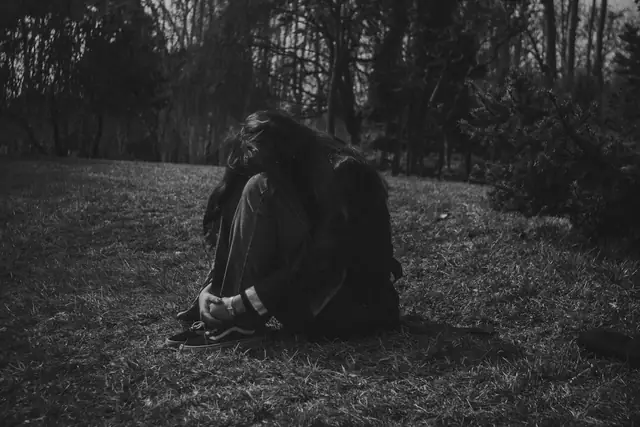
Photo: Lyndon Li on Unsplash
As days get shorter, many Americans feel more tired and less motivated. For some, it becomes seasonal affective disorder (SAD), a type of depression that comes and goes with the seasons.
The winter blues are mild and don’t disrupt life much. SAD meets the criteria for major depression and returns in a seasonal pattern, usually for at least two years in a row.
Less commonly, SAD follows a summer pattern, with insomnia and poor appetite.
Start your winter plan in early fall: book things to look forward to, set up your morning light, and tell someone you trust if your mood dips.
This article is for education, not therapy or medical advice. Read our disclaimer. In crisis? Call or text 988.
The emotional, physical and thinking signs of depression, how it differs from a rough patch, and when to get help.

What people mean by high-functioning depression, signs it hides behind productivity, and why it still deserves care.

A step-by-step, low-effort plan for days when you can barely function, plus how to know when it’s time to reach out for help.
A short, warm email every week: a word therapists use, what it means for your life, and something gentle to try. No spam, no pressure.
We use analytics cookies to understand how visitors use our site. Functional cookies (session and page variant) are always set. See our Privacy Policy.