Burnout: Signs, Stages and How to Actually Recover
What burnout is according to the WHO, how it differs from depression and stress, early warning signs and a realistic recovery plan.
Compassion fatigue and caregiver burnout explained, warning signs, and ways to keep caring without emptying yourself.
 By Mara Ellison··3 min read
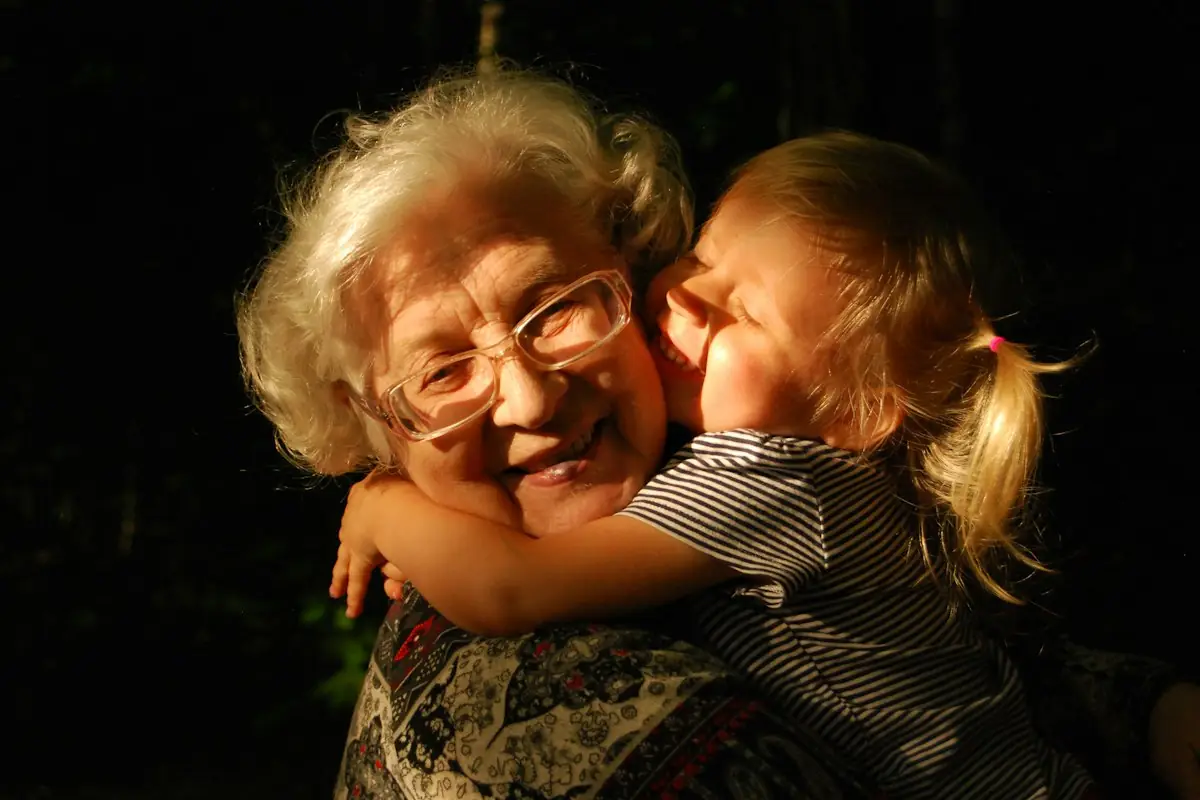
Caring for others can be deeply meaningful, and deeply draining. Compassion fatigue describes the emotional and physical exhaustion that can develop from caring for people in pain.
Nurses, doctors, therapists, social workers, teachers, first responders and the millions of Americans caring for aging parents, sick partners or children with extra needs.

This article is for education, not therapy or medical advice. Read our disclaimer. In crisis? Call or text 988.

What burnout is according to the WHO, how it differs from depression and stress, early warning signs and a realistic recovery plan.
Healthy striving vs. perfectionism, the self-demand cycle, how it fuels procrastination and burnout, and how to loosen its grip.

Why rest feels like something you have to deserve, where that belief comes from, and how to rest without guilt.

A short, warm email every week: a word therapists use, what it means for your life, and something gentle to try. No spam, no pressure.
We use analytics cookies to understand how visitors use our site. Functional cookies (session and page variant) are always set. See our Privacy Policy.